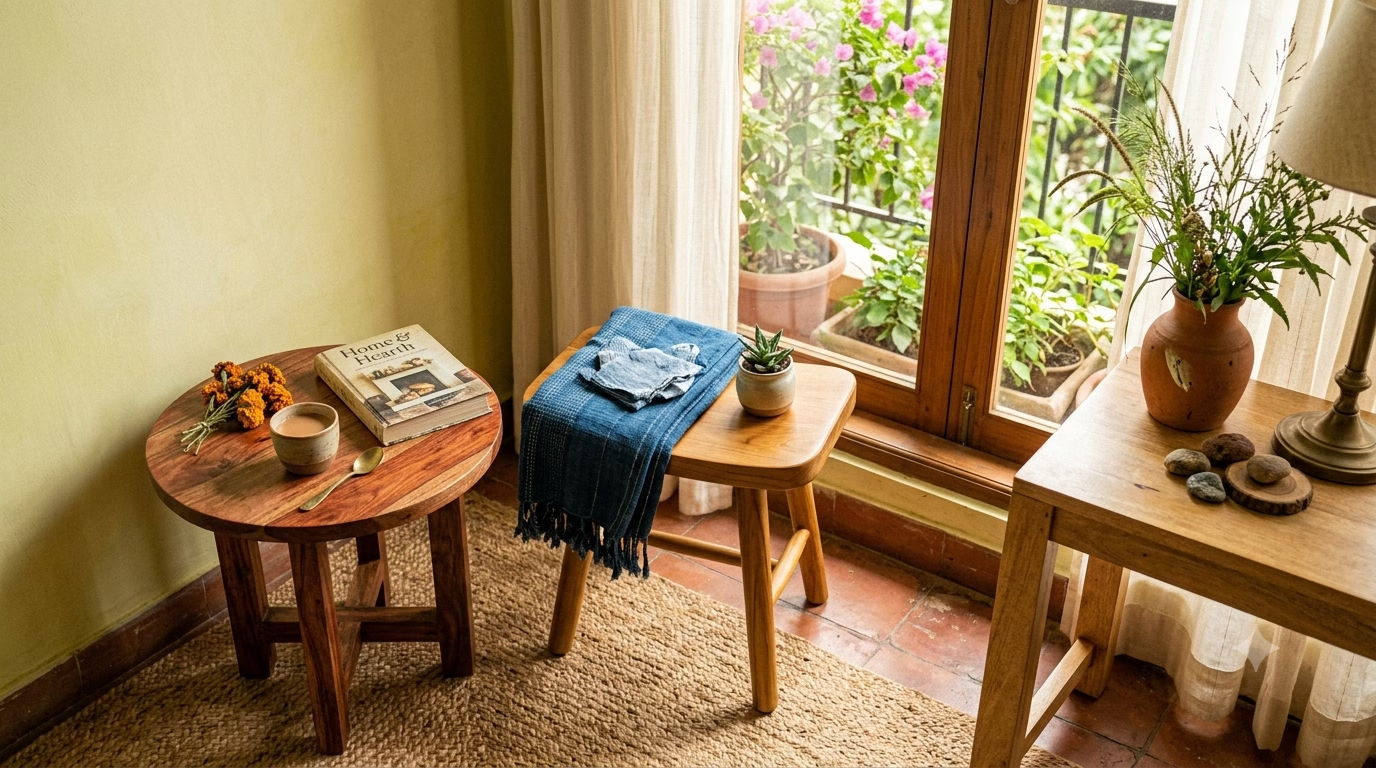
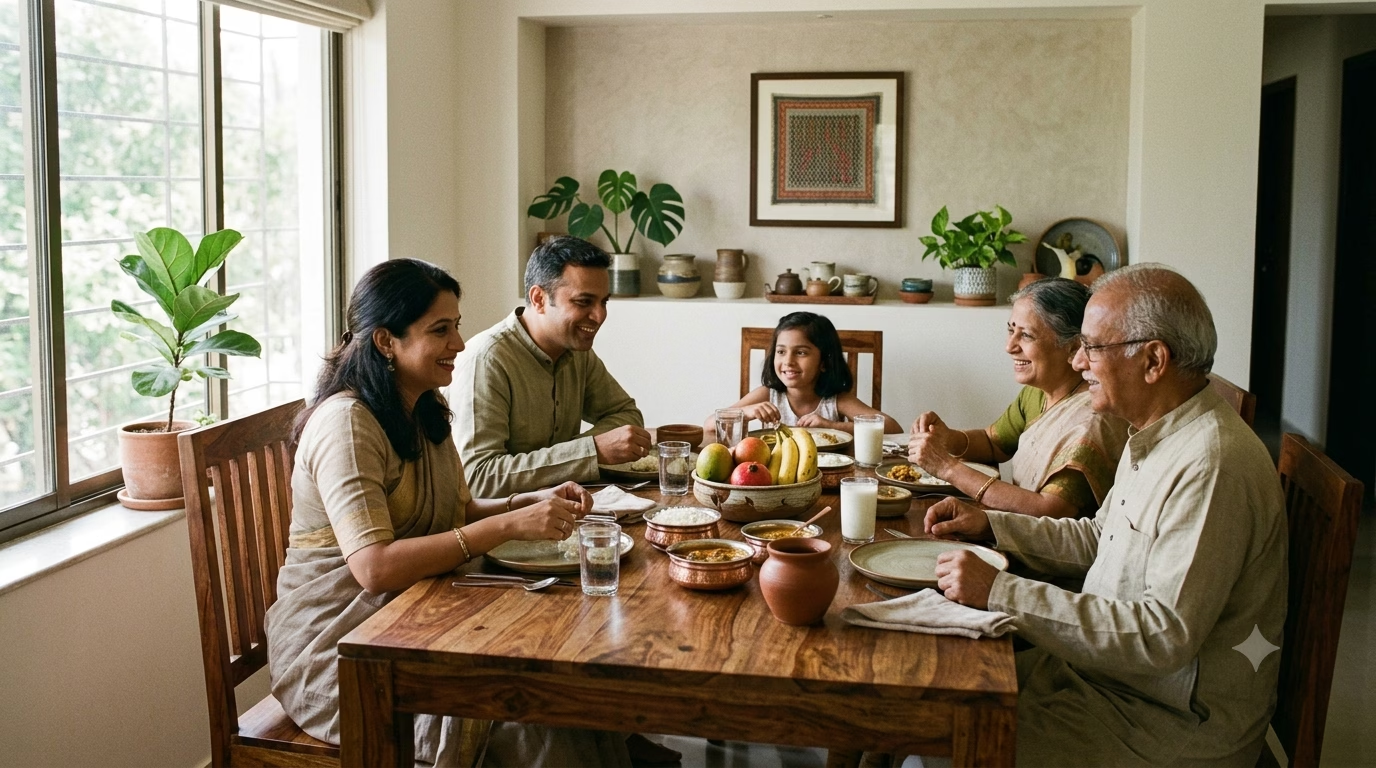
If you’ve been shopping for solid wood furniture in India lately, you’ve probably run into mango wood furniture everywhere — dining tables, sideboards, TV units, bedside tables — usually priced well below teak and marketed as the “sustainable” choice. That’s not marketing spin: mango trees are grown for fruit, not timber, so once a tree stops fruiting (usually after 15–20 years), using its wood for furniture is a genuine byproduct use rather than a fresh cut into a forest. But sustainability alone doesn’t answer the question that actually matters before you spend money on a dining table or a bed: is mango wood tough enough to survive a real Indian home — humidity, monsoon swings, and years of daily use — and is it actually good value at the price it’s sold for?
This guide answers both questions directly, with real hardness data, an honest look at where mango wood furniture struggles, real price bands by furniture type, and an independently researched roundup of which Indian brands are actually worth buying from — not just the first few results a search turns up.
Quick answer
Short answer: yes, for most everyday furniture — dining tables, sideboards, TV units, beds, accent pieces — mango wood furniture is a genuinely solid, mid-tier hardwood choice.
In this article
- Is Mango Wood Furniture Actually Good for Your Home?
- Mango Wood Hardness: How Durable Is It, Really?
- Is Mango Wood Furniture Durable Enough for Indian Homes?
- Mango Wood Furniture Price in India: What You’ll Actually Pay
- Mango Wood vs Sheesham vs Teak: Which Wood Wins?
- Pros and Cons of Mango Wood Furniture
- Best Mango Wood Furniture Brands in India (2026)
- Where Mango Wood Furniture Works Best in Your Home
- How to Care for Mango Wood Furniture So It Lasts
- Frequently Asked Questions About Mango Wood Furniture
- Final Verdict: Is Mango Wood Furniture Worth It?
Is Mango Wood Furniture Actually Good for Your Home?
Short answer: yes, for most everyday furniture — dining tables, sideboards, TV units, beds, accent pieces — mango wood furniture is a genuinely solid, mid-tier hardwood choice. It’s harder and more stable than cheap engineered boards, it takes stain and finish beautifully (which is why you’ll see it in everything from rustic natural finishes to dark walnut-style stains), and its lower cost compared to teak or sheesham makes it realistic for furnishing an entire room rather than one statement piece. Where it isn’t the right call is anywhere that will sit in standing water or extreme, sustained humidity without climate control — a bathroom vanity or an unsealed balcony piece, for instance — which is really true of most solid woods, not a mango-specific weakness.
The honest caveat: mango wood sits in the middle of the hardness spectrum, not at the top. It’s a good, dependable choice for most furniture; it’s not the toughest wood you can buy. The next section puts real numbers behind that claim instead of leaving it as a vague impression.
Mango Wood Hardness: How Durable Is It, Really?
Wood hardness is usually measured using the Janka scale, which tests how much force it takes to embed a steel ball halfway into a sample — a higher number means a harder, more dent-resistant wood. The figures below are compiled from standard wood-hardness references (exact numbers can vary slightly by source and by the specific tree/region), so treat them as a useful comparison rather than an exact-to-the-decimal spec:
| Wood species | Approximate Janka hardness | How it compares |
|---|---|---|
| Acacia | ~2,220 lbf | Noticeably harder than mango — a common upgrade pick |
| Sal | ~1,900 lbf | Very hard, less common in retail furniture |
| Sheesham (Indian Rosewood) | ~1,660 lbf | Roughly 55% harder than mango wood |
| Mango wood | ~1,070 lbf | Mid-tier — harder than pine or rubberwood, softer than sheesham |
| Teak | ~1,000 lbf | Comparable hardness to mango — teak’s advantage is oil content, not hardness |
| Rubberwood | ~980 lbf | Slightly softer than mango, common in budget furniture |
The practical takeaway
Mango wood furniture will dent or scratch more readily than a sheesham or acacia piece under the same daily wear, but it holds up noticeably better than softer budget woods and is genuinely comparable in raw hardness to teak — teak’s real durability edge comes from its natural oils resisting moisture and pests, not from being a harder wood in the Janka sense. For a dining table that sees daily plates and glasses, or a bed frame that just needs to hold its shape for a decade, mango wood’s hardness is more than adequate; if you’re specifically furnishing a high-traffic commercial space or want maximum scratch resistance for a coffee table with kids around, sheesham or acacia is worth the price step up.
Is Mango Wood Furniture Durable Enough for Indian Homes?
Durability isn’t only about hardness — climate matters just as much, and this is where a lot of buyers get surprised after the fact. Mango wood is a closed-grain hardwood, which gives it reasonable natural resistance to warping compared to open-grain softwoods, but it isn’t naturally oil-rich the way teak is, so it depends more heavily on how well the piece was seasoned (dried) before manufacture and how well it’s finished.
In humid, coastal, and monsoon-heavy regions (Mumbai, Chennai, Kochi, Kolkata), a well-seasoned, properly sealed mango wood piece performs fine for normal indoor use, but it’s worth asking a seller directly about kiln-drying and finish quality before buying — a poorly seasoned piece is the single biggest cause of cracking or warping complaints with mango wood, not the species itself.
Watch for
Termite resistance is a genuine weak point relative to teak and sheesham: mango wood has no strong natural termite-repelling compounds, so most quality manufacturers treat it with a protective coating or pest-resistant finish during production. If you’re buying from one of the brands below, it’s a fair question to ask directly rather than assume.
The disadvantages worth knowing before you buy, in short: softer than sheesham/acacia so more prone to surface dents over years of heavy use, weaker natural termite resistance than teak (manageable with a good finish), and more colour/grain variation piece to piece since it’s a less uniformly farmed timber than plantation teak — some buyers love this natural variation, some find it inconsistent for a matched furniture set.
Where it holds up well: dry and moderate-humidity regions across most of North and Central India, indoor use away from direct sun/rain exposure, and any application where the piece gets normal indoor climate control (fan/AC) rather than sitting in an unconditioned outdoor-adjacent space.
Mango Wood Furniture Price in India: What You’ll Actually Pay
One thing every mango wood furniture buyer should know upfront: prices vary a lot by piece type, and mango wood is genuinely one of the more affordable solid-wood options in the Indian market, which is a big part of its appeal. Based on real listings across the roster of brands researched for this guide, here’s roughly what to expect:
| Furniture type | Typical price band |
|---|---|
| Small accent pieces (bedside tables, stools) | Starting from around ₹4,900 |
| Dining chairs (pair) | Roughly ₹12,300–₹12,600 |
| TV units / entertainment cabinets | Around ₹20,800–₹21,000 |
| 6-seater dining tables | Roughly ₹77,800–₹78,200 |
| Statement sideboards | Around ₹82,000–₹82,500 |
These are real ranges pulled from current listings, not raw timber pricing — but like any e-commerce price, they move over time, so treat them as a planning guide rather than a locked quote, and always check the live listing before you buy. Compared to an equivalent sheesham or teak piece, expect mango wood furniture to run noticeably cheaper for the same category — often the difference between furnishing one room in solid teak versus two or three rooms in solid mango wood at the same budget.
Mango Wood vs Sheesham vs Teak: Which Wood Wins?
There’s no single winner here — it genuinely depends on what you’re prioritizing:
Choose mango wood if: budget flexibility matters, you like natural grain variation and a warmer, lighter tone, and you’re furnishing indoor living spaces (dining, bedroom, living room) rather than anything exposed to the elements.
Choose sheesham if: you want noticeably higher scratch/dent resistance for heavy daily use (a family dining table that takes a beating) and you don’t mind sheesham’s typically darker, richer tone and higher price point.
Choose teak if: budget isn’t the constraint and you want the best long-term moisture and pest resistance available in solid wood — teak’s natural oils are still the gold standard for humid climates and outdoor-adjacent use, at a real price premium over both mango wood and sheesham.
For most indoor, budget-conscious furniture shopping in India, mango wood furniture hits a genuinely good balance: hardness roughly on par with teak, a much friendlier price than either teak or sheesham, and enough natural durability for normal home use once it’s properly finished.
Pros and Cons of Mango Wood Furniture
The real advantages
- genuinely affordable relative to other solid hardwoods
- a sustainable byproduct material rather than fresh-cut forest timber
- attractive natural grain that takes stain and finish well
- hardness comparable to teak
- wide availability across Indian furniture brands in almost every furniture category
The real trade-offs
- softer than sheesham and acacia so more prone to surface wear over many years
- weaker natural termite resistance than teak (needs a good factory finish)
- more piece-to-piece grain and colour variation than plantation-grown species
- — like any solid wood — it’s not the right choice for pieces that will sit in standing water or extreme sustained humidity
None of these are dealbreakers for the vast majority of indoor furniture uses — they’re simply the honest reasons mango wood costs less than teak or sheesham, not evidence that it’s a lesser wood overall.
Best Mango Wood Furniture Brands in India (2026)
We checked all ten brands in Naatural.in’s furniture affiliate roster directly for genuine mango wood catalogs rather than assuming from general brand reputation — several brands known for other wood species (Driftingwood, Furnisquare) turned out to carry no real mango wood SKUs at all once checked directly, which is worth knowing if you see them recommended elsewhere for this species. Here’s who actually delivers.
Mango Trunk — the mango wood specialist
If one brand in this roster is built around mango wood specifically, it’s Mango Trunk. Its catalog is the deepest and most species-specific of any brand checked for this guide, spanning living room, dining room, and bedroom furniture, benches, and TV units, with dozens of pieces explicitly built from solid mango wood rather than a mixed-species line.

Anchor Pick
Deepest mango wood catalog in the roster
Our Pick — Mango Trunk
Mango Trunk Solid Mango Wood TV Entertainment Unit
A 2-door-plus-drawer TV cabinet with cane webbing and brass-toned hardware, priced around ₹20,800–₹21,000. It’s a newer listing with early, encouraging feedback rather than a long track record — not enough review history yet to call it a settled crowd favorite, but the product itself, price, and build match everything else in Mango Trunk’s genuinely mango-wood-specific catalog.
Aprodz — the second-deepest catalog in the roster
Aprodz carries the second-strongest mango wood range we found, spanning sideboards, wardrobes, dining chairs, consoles, coffee tables, bar cabinets, and study desks — genuinely broad enough to furnish more than one room from a single brand.

Our Pick — Aprodz Mango Wood Dining Chairs (Set of 2)
Best for: everyday dining seating Early, encouraging reviews
Solid mango wood dining chairs priced around ₹12,300–₹12,600, a straightforward way to mix mango wood seating into an existing dining setup. Like the Mango Trunk pick above, the review history here is still early — promising, but worth treating as encouraging rather than conclusive until it builds up more data.
Freedom Tree — for a statement piece
Freedom Tree‘s mango wood line leans toward fewer, more design-forward pieces rather than a sprawling catalog — think a genuine centerpiece rather than a full-room furnishing plan.

Our Pick — Freedom Tree Seed Sideboard in Natural Mango Wood Finish
Best for: a statement piece Design-forward
The most substantial genuine mango wood item we found from this brand — a real statement sideboard priced around ₹82,000–₹82,500, positioned as a premium-pick rather than a budget option.
Orange Tree — one genuine pick, checked carefully
A quick note on Orange Tree before the recommendation: several of this brand’s listings use finish names like “Light Mango Finish” that don’t necessarily mean the piece is actually made of mango wood — we checked the individual product specification, not just the title, before recommending anything here, and one popular-looking Orange Tree piece with “Mango” in its name turned out to be genuinely made of a different wood entirely. The pick below passed that check.

Our Pick — Utsaah Saanra 6-Seater Dining Table in Light Mango Wire Brush
Best for: dining table shoppers Material verified
Confirmed genuine solid mango wood via the product’s own material specification, priced around ₹77,800–₹78,200 — a real option if you’re specifically shopping for a dining table in this species.
Urban Ladder — the broad, trusted catalog
Urban Ladder carries one of the widest genuine mango wood ranges in this roundup, across beds, benches, coffee tables, dining chairs, sideboards, and shoe cabinets — and it’s also one of the most consistently reputable names across Indian furniture SERPs generally, worth browsing directly if you want more style options within the species than any single pick here can show.
Imperial Wooden Art — a small, affordable accent option
Worth a mention for a specific use case rather than a broad recommendation: Imperial Wooden Art’s mango wood catalog is genuinely thin — mostly small craft-leaning pieces — but its bedside table is a real, useful accent option if you just need one small piece rather than a full furniture plan.

Imperial Wooden Art’s Bedside Table
Best for: a small accent piece Thin evidence — worth a try
It’s priced around ₹4,900–₹5,000, the most affordable individual pick in this roundup, though its review history is still very limited, so treat it as a reasonable, low-risk try rather than a proven best-seller.
Brands checked and left out of this roundup
Editorial note
In the interest of an honest roundup, four roster brands were checked directly and don’t have a genuine mango wood furniture line worth recommending here: Driftingwood and Furnisquare both specialize almost entirely in sheesham wood (worth checking out for our Sheesham furniture coverage instead), Wooden Space has no meaningful mango wood catalog we could find, and Vaaree’s mango wood listings are limited to décor accessories rather than furniture. If you’re comparing brands yourself, it’s worth verifying the actual wood specification on the product page rather than trusting a “mango” mention in a listing title — several finish names on this platform describe a colour, not the wood species underneath.
Where Mango Wood Furniture Works Best in Your Home
Dining rooms are the strongest fit — mango wood’s hardness handles daily dining wear well, and its warm, varied grain suits both rustic and modern dining setups. If you’re specifically shopping for dining tables more broadly, our full Best Wooden Dining Tables in India guide covers species beyond mango wood too.
Living rooms work well for TV units, sideboards, and coffee tables, where mango wood’s lower weight compared to teak or sheesham also makes larger pieces easier to move and rearrange.
Bedrooms suit smaller mango wood pieces particularly well — bedside tables, benches, and accent furniture — where the lighter hardness trade-off matters less than it would on a high-traffic dining table.
Watch for
Where to be more careful: anywhere with sustained high humidity and no climate control (an unconditioned balcony room, a bathroom), and anywhere that needs to survive very heavy day-to-day abuse without a scratch — a sheesham or acacia piece is the safer call there.
How to Care for Mango Wood Furniture So It Lasts
A little routine care goes a long way with any solid wood, and mango wood furniture is no exception: dust with a dry or barely damp cloth rather than a soaking one, avoid placing pieces in direct, sustained sunlight (fading and drying-out risk), use coasters and placemats to protect the finish from heat and moisture rings, and re-oil or re-wax an unsealed or natural-finish piece roughly once or twice a year to keep the wood from drying out, especially through a hot, dry summer. In humid regions, keeping the room reasonably ventilated (or climate-controlled) matters more for mango wood than it does for teak, simply because mango wood doesn’t have teak’s natural oil content doing that work for you.
Frequently Asked Questions About Mango Wood Furniture
Is mango wood good for furniture?
Yes — it’s a genuine mid-tier hardwood with hardness roughly comparable to teak, and it performs well for most indoor furniture uses. It isn’t the hardest or most termite-resistant wood available, but for dining tables, beds, sideboards, and accent furniture, it’s a solid, dependable choice.
Is mango wood furniture expensive or affordable?
Affordable relative to other solid hardwoods. Mango wood furniture in India generally starts around ₹4,900 for small accent pieces and runs up to roughly ₹80,000+ for large statement pieces like sideboards and dining tables — noticeably cheaper than an equivalent teak or sheesham piece in most categories.
What are the disadvantages of mango wood furniture?
It’s softer than sheesham and acacia (more prone to surface dents over years of heavy use), it has weaker natural termite resistance than teak (manageable with a good factory finish), and it shows more piece-to-piece grain and colour variation than more uniformly farmed species.
Is mango wood better than teak for furniture?
Not clearly better or worse — they’re a genuine trade-off. Mango wood and teak have comparable raw hardness, but teak’s natural oil content gives it a real edge in moisture and pest resistance, at a meaningfully higher price. Mango wood is the better choice if budget matters more than maximum long-term climate resistance.
Is mango wood better than sheesham?
Sheesham is noticeably harder and more dent-resistant, and typically costs more. Mango wood is the better pick if you’re prioritizing budget and a lighter, more varied grain look over maximum scratch resistance.
How long does mango wood furniture last?
With reasonable care — avoiding sustained damp exposure and refinishing occasionally — a well-made mango wood piece can comfortably last a decade or more of normal indoor use, similar to most quality solid-wood furniture.
Final Verdict: Is Mango Wood Furniture Worth It?
For most Indian homes shopping on a realistic budget, mango wood furniture is genuinely worth it: hardness that holds its own against teak, a far friendlier price point than teak or sheesham, and wide availability across brands and furniture categories, from a ₹4,900 accent table to an ₹80,000+ statement sideboard. It isn’t the toughest or most termite-resistant wood on the market, but for dining rooms, living rooms, and bedrooms with normal indoor conditions, it’s one of the smartest value picks in solid Indian furniture right now. Start with a brand that actually specializes in the species — Mango Trunk and Aprodz both have genuinely deep mango wood catalogs — and you’re starting from a strong position either way.
This article contains affiliate links. We may earn a commission on qualifying purchases, at no extra cost to you.