Should You Buy a Washing Machine on OLX? A Quick Guide
Buying a used washing machine on OLX can SAVE YOU A LOT but also brings risks, especially in India where local repair options and power variations matter. This guide helps you decide whether a second‑hand purchase fits your budget and lifestyle, and highlights benefits—lower price, faster availability—and pitfalls like hidden faults or missing accessories.
Read on to learn about the OLX marketplace and the Indian used‑appliance scene, which machine types are easier to buy used, a step‑by‑step inspection checklist, essential pre‑purchase tests, negotiation and paperwork tips, and transport, installation and long‑term care advice so you buy with confidence. Use this guide to avoid traps and get a reliable machine.


Know the OLX Marketplace and the Indian used-appliance scene
Who you’ll meet on OLX
Sellers usually fall into three groups: individuals (moving, upgrading), small dealers who source trade-ins, and refurbishers who clean and fix machines for resale. Individuals often give the best price and straightforward history; dealers offer variety and short-term warranty; refurbishers will sometimes hide deeper issues under fresh paint. Ask who they are and why they’re selling.
How listings typically behave in India
In metros you’ll see more front‑load imports (Bosch, IFB, Whirlpool) and competitive prices; smaller towns have a larger market for top‑load LG, Samsung and Haier machines because service is easier. Expect used prices commonly at 40–70% of new depending on age and condition. During college season and relocations (end of May–June), supply spikes and prices drop.
Read photos and descriptions like a pro
Look for clear shots of:
- the model label and serial number
- drum interior and inlet/outlet hoses
- control panel close-upsDescriptions should list age, service history, any replaced parts, and whether it was used with inverter power (important in areas with frequent outages).
Red flags that deserve a pause
- Vague listings (“works fine”) with one low-quality photo
- Repeated ads posted by the same number across different items (common with churn dealers)
- No model/serial number or refusal to show it
- Sellers who insist on advance payment before inspection
Safety and communication tips
- Start on OLX chat to keep a record; move to voice call once you’re comfortable
- Meet in daylight, in a public place when practical, or at the seller’s home with a friend
- Never pay full amount upfront; pay by UPI or collect a simple written receipt
Next: which machine type is easiest to buy used and why — so you pick a model that matches local service support and your lifestyle.
Which Washing Machine Type Is Right for You (and Easier to Buy Used)
Different machines age differently. Below is a practical, India‑focused look at each type so you can match durability, serviceability and price to your household.
Top‑load (fully automatic)
Top‑load automatics (LG, Samsung, Whirlpool) are common, simple to use and familiar to local technicians. Typical used‑unit issues: worn belts, water inlet valves and control board faults on older electronic models. Drum bearings seldom fail compared with front‑load, and spares are widely available in metros and smaller towns. Good for bachelors and rental homes where quick, cheap fixes matter.
Semi‑automatic twin tub
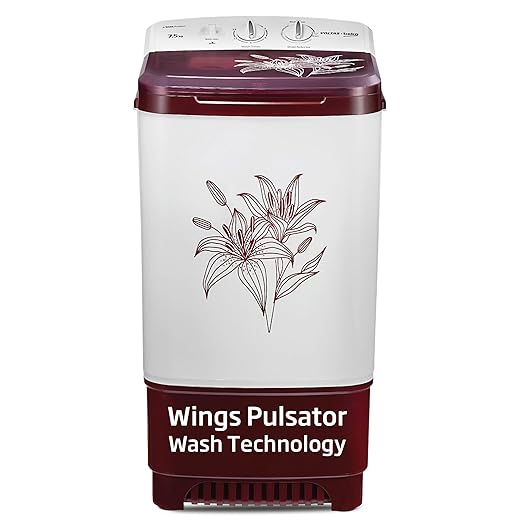
Semi‑autos (Whirlpool, Haier, Onida) are the simplest and cheapest to repair — motors, pulsators and timers are straightforward to replace. They tolerate hard water better and are forgiving with voltage fluctuations. If you live in a tier‑2/tier‑3 city, you’ll find spare parts and technicians easily. They’re ideal for students, small families on a budget, and frequent movers.
Front‑load (washers)
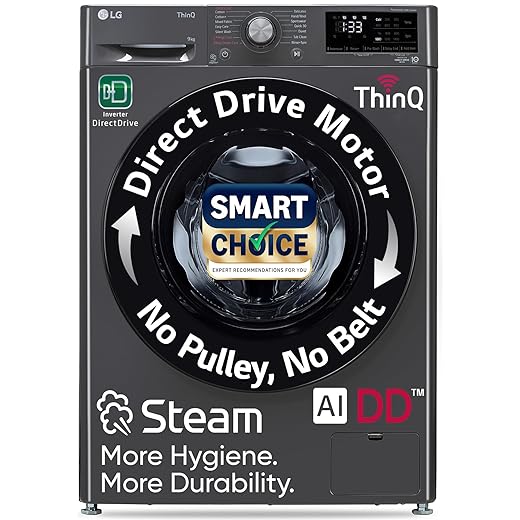
Front‑load machines (Bosch, IFB, Samsung) give better wash and save water but age differently: door‑seal mold, drum bearings and shock absorbers are the usual expensive repairs. Electronics and inverter motors raise repair costs; however, if you’re in a metro with brand service centres, used front‑loads can be a great value for a 2–4 member family. Ask if the seller replaced the door gasket or bearings — those repairs add up.
Washer‑dryer combos
Combos are compact but have more components and higher repair costs (dryer heater, sensors, complex PCB). For rentals or first‑time buyers, they’re riskier used unless cheap and very recent. Prefer them only if you verify full service history and local technicians who regularly handle that model.
Quick check: before buying, ask which local technicians service that brand and whether spare parts (motor, pump, gasket) are stocked nearby — a single phone call to a local service centre will tell you a lot.
How to Inspect a Used Washing Machine: A Step‑by‑Step Checklist
When you go to see a machine, be methodical. Use this on‑site checklist so you don’t miss small signs that turn into big repairs later.
Start with the exterior
- Check for rust, dents and mismatched paint (fresh paint around screws can hide repairs).
- Inspect the power cord and plug for frays; confirm there’s a proper earth wire.
- Look under the machine for oil stains or water marks — oil suggests gearbox/motor leak.
Check the drum and door seal
- Open the drum and spin it by hand: listen for grinding or a rumbling — worn bearings.
- For front‑loads: press and inspect the door gasket for black mould, rips or seeping detergent residue.
- Look for brownish scale or white crystalline deposits inside the drum — signs of hard water damage or neglected descaling.
Hoses, inlet/outlet and plumbing
- Examine inlet screens and hose ends for limescale or corrosion (common with hard water in Mumbai/Delhi).
- Squeeze flexible hoses to feel for soft spots or cracks; cheap old hoses burst under pressure.
- Check the drain pump/filter (if accessible) for foreign objects, hair or coins.
Control panel and electronics
- Power on every button and knob; run through all programmes and note error codes or frozen menus.
- Smell for burnt electronics smells near the PCB (a quick giveaway of past short‑circuit).
- Confirm the model/serial sticker and service tag — if missing, ask why.
Run these live tests
- Do a short wash (quick rinse + spin) and watch fill time, water level, heating (if applicable), and drain speed.
- During spin, observe vibration and whether the machine walks — excessive shaking = shock absorbers/bearing problem.
- Listen for abnormal noises (clunks, squeals) from motor or pump.
Spot hidden repairs or tampering
- Mismatched bolts, non‑OEM clamps or adhesive marks suggest past fixes.
- Ask when the tub bearing or gasket was last replaced — these are expensive on front‑loads (IFB/Bosch).
- If the seller refuses a short live test, treat that as a red flag.
Carry a smartphone flashlight and a small coin for the drum‑spin test — they’re surprisingly useful on site.
Essential Tests to Run Before You Pay
A short demo can reveal more than a dozen photos. When you’re at the seller’s place, run these practical tests — each takes only a few minutes but saves you from costly surprises.
Do a cold‑water quick cycle
Ask to run a quick wash (cold water, short programme). Watch fill time and water clarity. In most Indian flats with normal pressure the tub should start filling within 30–90 seconds; if it trickles for 5+ minutes, there may be inlet or valve problems.
Spin‑speed and vibration test
Start a spin cycle and note:
- Excessive shaking or walking = worn shock absorbers or imbalance.
- Loud grinding or rumbling when drum spins = likely bearing wear; a single sharp clunk could be a foreign object.
- High‑RPM machines (e.g., 1000–1400 RPM front‑loads like some LG/IFB models) should achieve smooth, fast spins without wobble.
Leak and drain check
Watch for leaks while filling and during drain. Drain should empty within a couple of minutes (depending on house plumbing). Check under the machine for drips and the drain hose joint for wetness or mineral build‑up.
Front‑load door‑lock and seal
For front‑loaders, start a wash and ensure the door locks securely and unlocks only after the cycle or after a short wait when paused. Inspect the gasket for mould, rips or smell — a rotten smell suggests long‑term water logging.
Electrical and safety checks
Inspect the power cord, plug and earthing. Ask to feel the plug: excessive heat after a short run indicates wiring issues. If the seller has a multimeter, ask them to show earthing continuity — many Indian homes lack proper earthing, and a grounded cord is non‑negotiable.
Verify age and service history
Ask to see the model/serial sticker, service sticker and any maintenance receipts. A recent service receipt or original warranty card can confirm age and usage; inconsistent dates or missing stickers are red flags you can negotiate on.
Negotiate Price, Get the Right Paperwork, and Protect Yourself
Start with a fair anchor (and quick math)
Bargaining is expected — begin 15–30% below your target price and justify it. Do a quick repair-cost estimate: drum bearings ₹2,500–6,000, control board ₹3,000–10,000, motor ₹2,000–8,000. If repairs approach half of the asking price, push the seller down or walk away. Real-world rule: reliable front‑loads from brands like Samsung/IFB/Whirlpool often trade at 40–60% of current new price when in good condition; semi‑automatics fetch more because they’re simpler.
Use comparables and local knowledge
Show recent OLX listings or local shop quotes as evidence. Example: if a Samsung 7kg front‑load is normally ₹30,000 new, a well‑kept used unit around ₹12,000–18,000 is reasonable. Sellers respond to numbers, not just haggling.
Paperwork to insist on
Ask for:
- Original invoice or bill of sale (helps with provenance)
- Service/repair receipts and date-stamped service stamps
- Warranty card (check transferability with the brand)
- A simple handover receipt from the seller (see below)
A practical handover receipt should list buyer/seller names, addresses, model and serial number, sale price, payment method, date, and signatures (two witnesses if possible).
Payment and safety
Prefer UPI or bank transfer for traceability; keep cash only if you get a signed receipt. Never pay full amount before you run the tests; a small refundable deposit (₹500–₹2,000) is common to hold the item. If a dealer promises a “warranty,” get it in writing with terms and duration.
When to walk away and legal buffer
Walk away if the seller blocks inspection, can’t produce basic papers, or the machine shows major rust/noisy bearings or missing PCBs with repair costs near the asking price. You have consumer protections in India, but documented evidence (receipts, photos, messages) makes disputes far easier.
After the Purchase: Transport, Installation, and Long‑Term Care in India
Safe transport — what to tell the mover
Before moving day, tell the seller and mover to:
- Drain all water, unplug the machine and remove hoses.
- Reinstall transit bolts if available; if not, brace the drum with foam/soft packing.
- Keep the machine upright and avoid tilting more than ~45°; carry with two people.
- Don’t stack heavy items on top; secure with straps in the truck.
Local tip: small movers charge ₹300–₹800 in-city; professional packers (if you want insurance) run ₹1,000–3,000.
Installation: DIY vs pro
You can install a semi‑automatic yourself; front‑loads and high‑end automatics are worth a pro visit. Hire a technician if:
- You need earth/MCB/RCCB checks or new plumbing work.
- The machine requires a stabiliser or soft‑water connection.
Typical installation fee: ₹200–₹800 (some sellers include it). Ask for a printed installation checklist.
Earthing, stabilisation and siting
- Get a certified electrician to check earthing continuity and fit an RCCB if your panel lacks one.
- Fit anti‑vibration pads (₹150–₹500) under feet and place the machine on a level, tile/stone surface.
- If your area has frequent voltage dips, consider a small stabiliser (check local electrician).
Maintenance tailored to Indian conditions
- Hard water: use Matic liquid detergents and monthly descaling tablets (Calgon-style) or install a simple inline softener/filter.
- Weekly: wipe gasket/drum rim and leave the door ajar after cycles to prevent mildew.
- Monthly: run an empty hot wash with 200 ml white vinegar or a descaler.
- Quarterly: clean inlet filters and lint traps; inspect hoses for bulges.
Spare parts and service networks
- Use authorised service centres for major parts; for affordable spares try online marketplaces (Amazon, IndiaMART) or local appliance parts markets.
- For technicians, check Urban Company, Sulekha or local authorised centre reviews before booking.
With the machine safely home and a simple care routine, you’ll extend its life and avoid most surprises. Next: wrap up what to keep in mind before you decide.
Make a Confident, Safe Purchase
Buying a washing machine on OLX can save you money in India if you inspect carefully, test thoroughly, negotiate fairly, and arrange secure transport and installation. Use the checklist and tests in this article to spot common issues, verify paperwork, and avoid scams.
If anything feels off, walk away—there are always other listings. Follow the practical tips here, prioritize safety and warranty options where possible, and enjoy reliable value for your budget. Stay alert, always.
