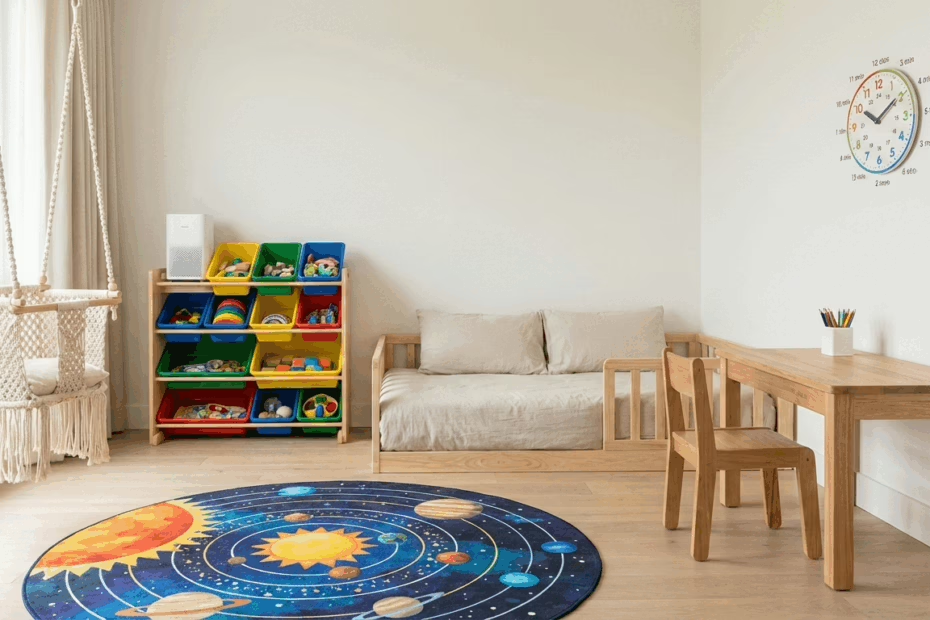
Welcome to Montessori in Your Child’s Bedroom
A Montessori bedroom empowers your child by nurturing independence, freedom within limits, and a thoughtfully prepared environment. Here you’ll learn simple, practical ways to set up a space that supports play, sleep, and self-care. The focus is on your child’s abilities, not adult convenience.
This guide gives clear strategies for layout, furniture, safety, organization, and transitions as your child grows. You’ll find actionable tips for choosing Montessori-friendly materials, creating a sleep-friendly room, and rotating toys to boost focus. By the end, you’ll know how to create a calm, empowering space that encourages confidence and curiosity every day.
Use these steps to build a bedroom that grows with your child and simplifies daily routines.



Montessori Principles That Shape the Bedroom
Respect for autonomy
Treat the room as a workspace for your child, not an adult zone. That means reachable hooks, low wardrobe rods, and a bed they can climb into and out of independently. Think: can your child put on shoes or hang a jacket without asking you? If not, tweak the height.
Freedom of movement
Montessori favors open pathways and floor space for gross-motor play. Replace a high crib with a floor bed or low cot so your child can follow natural sleep/wake rhythms. In one family I coached, swapping a bulky crib for a low mattress reduced nighttime calls because the toddler self-settled back to bed.
Order and simplicity
Order supports concentration. Use a few clearly defined areas—sleep, play, dressing, books—so your child learns where things belong. Limit visual clutter: a handful of well-chosen toys out at a time beats an overflowing bin. Use open shelves and shallow baskets so items are visible and returned easily.
Beauty and materials
Choose natural textures, warm neutrals, and honest materials. Beauty matters: a simple wooden stool or linen bedding invites care and respect. Avoid overstimulating patterns near the bed to protect sleep.
Practical evaluation checklist
- Is the furniture child-scaled and stable?
- Can your child access daily items independently?
- Are routes clear for safe movement?
- Is visual stimulation calm near sleep areas?
Use these questions to audit any piece—from lamp height to wall art—and prefer solutions that invite independence rather than merely block hazards. Next, you’ll see how to translate these principles into a functional layout that maximizes independence.
Designing a Functional Layout for Independence
Define clear zones
Break the room into simple, visible zones so your child knows what happens where: sleep, dressing, play, and reading. Place the sleep area away from the busiest doorway, the dressing zone near the closet, a play area with open floor space, and a cozy reading nook with a small chair or floor cushion.
- Sleep: low bed or mattress on the floor
- Dressing: low rod, step stool, open baskets
- Play: soft rug and reachable shelves for rotated toys
- Reading: low bookshelf, soft light
Create good flow and sightlines
Arrange furniture so pathways are direct and unobstructed. Sightlines let you check quickly without hovering—position the bed so you can see the doorway and the play area without standing in the middle of the room. In a long room, stagger zones along one side to create a natural walking corridor.
Placement tips for key items
Choose a low bed opposite the door or tucked into a corner to create a protected sleep alcove. Put open shelving at child height (visible and reachable). Anchor a small closet rod at a lower level or use baskets on a low shelf for clothing. Try an IKEA SNIGLAR or a simple platform frame for a durable, low-profile bed.
Adapting for size, light, and calm paths
In small rooms, stack functions—reading nook above drawers or foldable table. In oddly shaped rooms, use rugs to define zones. Maximize natural light by keeping windows clear, using sheer shades, and placing the reading nook nearby. Keep the main pathways at least a child’s arm-span wide so they can carry items safely and practice daily routines independently.
Choosing Montessori-Friendly Furniture and Materials
Choose by proportion and purpose
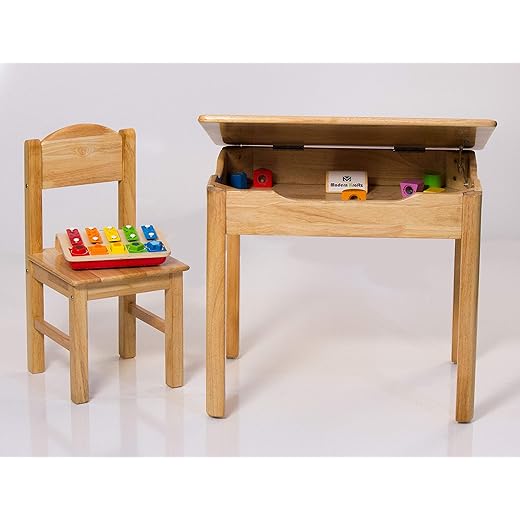
Select pieces scaled to your child so they can sit, reach, and move without help. Look for low, stable furniture with simple lines: a sturdy child table and chair (IKEA FLISAT is a popular, affordable example), open shelves at eye level, and a small stool that doubles as a step. Focus on single-purpose items that invite independent use rather than adult-sized furniture scaled down cosmetically.
Materials, safety, and quality
Prioritize solid wood, natural fibers, and low-VOC finishes so surfaces stand up to play and are non-toxic. Check joins, rounded corners, and weight capacity; anchor tall pieces to the wall. Choose a breathable, firm mattress with a removable, washable cover. Observation-based Montessori practice favors fewer, well-made items that support longer concentration and purposeful play.
Montessori-worthy toys and learning materials
Introduce real, simple objects: wooden blocks (Grimm’s), sturdy puzzles, metal measuring cups, small brooms, and practical life sets (PlanToys, Hape). Avoid noisy, battery-driven toys that interrupt focus. Rotate a small selection to deepen engagement—three to five items on a shelf is often enough.
Looking for the perfect items to fill your new organized toy bins? Check out our curated selection of the 20 best wooden Montessori teaching toys for 2026 to complete your child’s learning corner.
- Practical furniture to consider: low bookshelf, child table + chairs, low hooks, small chest or basket storage, a compact mirror for dressing practice
Sourcing and DIY tips
Buy secondhand—you can sand and refinish a dresser into open shelving, or lower legs on thrifted tables to child-height. Use beeswax or tung oil for safe finishes. Look for convertible pieces (a bench with storage, a foldable table) to save space. If the budget is tight, prioritize one durable piece (a good shelf) and build the rest gradually. A parent once turned an old sideboard into low shelves; within days, their three-year-old was independently choosing activities.
Creating a Sleep-Friendly Montessori Environment
Bed choice and mattress height
Choose a floor bed or a very low platform so your child can get in and out independently. A firm, breathable mattress (Naturepedic, Nook, or a certified organic option) reduces SIDS risk for infants and supports self-settling for toddlers. Lower height encourages exploration but gently contains the sleep zone.
Bedding and textiles
Keep bedding simple: a fitted sheet and a light blanket or sleep sack. Avoid heavy duvets, loose pillows, or stuffed animals for infants. Use washable, natural fabrics (cotton or linen) for easy cleaning and comfort—parents often report fewer nighttime rashes and better naps after switching.

Soft lighting and blackout solutions
Use warm, dimmable lighting (Philips Hue dimmable bulbs or a simple bedside dimmer) and a night light with adjustable warmth. Install blackout curtains or shades to block early-morning light and help with consistent sleep times. A small salt lamp or low-watt nightlight can provide reassurance without overstimulation.
Minimize stimulating decor near the bed
Keep walls and shelves beside the bed calm—soft colors, one small picture, and no busy mobiles above the sleep area. If you use visual cues, make them predictable: a soft sleep rug or a single star sticker that signals “quiet time.”
Routines and environmental cues to support transitions
Create a short, consistent pre-sleep routine: bath → story → dim lights → soft music or white noise. Use the environment as a cue—lower the light, close a specific curtain, or place a favorite sleep blanket in the same spot each night. Over time, these cues help your child self-soothe and settle with minimal intervention.
- Quick actionable checklist:
- Floor bed or low platform
- Firm, breathable mattress
- Simple washable bedding
- Dimmable warm light + blackout
- Calm decor and predictable sleep cues
Safety, Accessibility, and Freedom within Limits
Secure heavy furniture, simply
Anchor tall dressers, bookcases, and toy storage to wall studs with anti-tip straps (Hangman or Safety 1st-style anchors). Install wall brackets on low shelves to prevent sliding. Think of these as invisible supports that let your child roam freely while you remove real collapse risks—many parents report immediate peace of mind after anchoring.
Safe finishes and surfaces
Choose low-VOC or zero-VOC paints (Benjamin Moore Natura, ECOS Paints) and water-based sealants. For wooden toys and furniture, look for FSC-certified wood with food-grade oils or natural beeswax finishes rather than polyurethane when possible.
Manage cords and outlets
Use outlet covers with sliders (Leviton), cord shorteners/cleats for lamps, and switch to cordless window treatments (IKEA, Bali cordless lines, or motorized Lutron Serena shades). Keep nightlight cords tucked behind furniture and anchored.
Windows, doors, and gates
Install window stops or guards and childproof window locks; keep climbing furniture away from windows. For door safety, use finger-pinch guards and consider a hardware-mounted gate (Cardinal Gates) for stair access rather than pressure gates.
Childproofing without taking away access
Create clear supervision cues: a low-level “grown-up box” with a bright ribbon or sticker that means “ask first,” or a low drawer with a simple child-proof latch you only open together. Teach the cue consistently—children learn boundaries faster when rules are predictable.
Communicate boundaries clearly
Use simple language and role play: explain “this is for grown-ups” vs “this is for you,” and practice asking for permission. Consistency + visible cues build trust and independence.
Next, you’ll learn practical ways to organize and rotate materials so your child can focus safely and joyfully.
Organization and Rotating Materials to Foster Focus
Why deliberate organization matters
When you limit visible choices, your child can concentrate longer and make deeper discoveries. Think of the room as a gallery: each activity deserves space to invite a single thread of attention rather than a visual jumble.
Effective storage systems
Use low, open-access solutions so your child can choose and return items independently:
- Open wooden trays (IKEA FLISAT-style or Montessori wooden trays) that frame a single activity.
- Baskets and soft bins (seagrass or fabric) for loose materials that won’t spill easily.
- Labeled, low shelves (IKEA KALLAX, Guidecraft Montessori shelves) or clear plastic drawers (IRIS/ Sterilite) for sorting by activity.
- Small hooks and pegboards for dress-up and gross-motor props.
Label with a photo + word so non-readers can self-manage. A clear tray with just a threading set and a small bowl shows “this is threading time,” not “choose anything.”
How to rotate, and when
Start small: display 3–5 curated activities at a time. Try rotation cycles like:
- Toddlers: swap every 3–7 days.
- Preschoolers: swap weekly or biweekly.
- Older children: rotate by theme or project length.
Observe: repeated returns, sustained focus (10–20 minutes+), and signs of creativity mean keep; boredom or misuse means retire to the rotation box.
Easy maintenance routines
- Daily 5-minute tidy with a “cleanup song.”
- Weekly swap ritual: you and your child pick which trays to rotate.
- Keep an “outgrown/out for repair” box to prevent clutter.
With these small systems in place, you’ll find the room stays orderly and inviting—ready for personalization, transitions, and gradual growth with your child.
Personalization, Transitions, and Growing the Space with Your Child
Involve your child in choices
Invite your child to make small, meaningful decisions: pick one framed drawing to hang, choose the color of a rug, or place a favorite stuffed animal on a low shelf. Offer two or three curated options so choices feel empowering, not overwhelming. For example, let a 3‑year‑old choose between a willow basket or a woven seagrass bin for toy storage—both practical, both Montessori‑friendly.
Functional, Montessori‑friendly decor
Prioritize decor that teaches or supports independence:
- One or two large, low‑hung artworks instead of many small pieces.
- A growth chart (e.g., Kiko+ & gg*) or wooden ruler on a low wall for measurement play.
- Practical accents: a child‑sized mirror, a hook strip at toddler height, or a nature shelf with shells and pinecones.
Suggested products: Oeuf Sparrow floor bed (minimalist, low profile) or IKEA SLÄKT/ SNIGLAR alternatives if you need budget options; Guidecraft or Etsy dressing frames for buttoning and zipper practice.
Planned transitions and timelines
Create a simple growth plan:
- Record readiness signs (climbing out, nighttime calm) and set a target window.
- Trial period: introduce a floor mattress for naps first, then full sleep after 2–4 weeks.
- Convert when skill and safety align: crib → convertible crib (Babyletto Hudson) or crib → floor bed with low guardrail.
Evolving the room as skills grow
Add one new competency every 3–6 months: a dressing frame for fasteners, more complex puzzles, or an art shelf for open-ended materials. Keep rotating and pruning: remove items the child no longer uses to maintain clarity.
With these steps, your child’s bedroom becomes a personalized, adaptable learning environment—ready for the final synthesis in the Conclusion.
Bringing It All Together
Apply Montessori principles to shape a bedroom that supports your child’s independence: design an accessible layout, choose intentional furniture and tactile materials, and create a calm sleep environment. Prioritize safety without over-restriction, organize and rotate materials to sustain focus, and allow personalization as your child grows.
Take a step-by-step approach: observe, adjust, and introduce one change at a time. Small, consistent adaptations tuned to your child’s needs yield big gains in competence, confidence, and well-being. Start with one area today and watch independence unfold. Celebrate progress often, and trust the process as your family adapts daily.
A Montessori bedroom is a child’s room designed around the Montessori principle of freedom within limits — low furniture at child height, open access to toys and materials, and a prepared environment that builds independence. In India, key elements include: a floor bed or low-frame bed (child can get in and out independently); a low open bookshelf for toy rotation; a low mirror at child height; natural materials (wood, cotton, jute) over plastic; a reading nook at floor level; and a designated art area with accessible supplies. The goal is a room the child can navigate and manage independently.
Montessori furniture and bedroom accessories in India: floor beds and low frames — search Amazon India for ‘floor bed frame India’, ‘Montessori bed India’; wooden toy shelves — IKEA Kallax (modified to low height) or dedicated Montessori furniture makers on Instagram India; activity rugs — good selection on Amazon India (search ‘play mat’, ‘activity rug India’); wooden toys — Skillofun, Tykhe, Shumee on Amazon India; low mirrors — IKEA and Pepperfry; and natural cotton bedding — WeaverStyle, ArtSilk, and organic cotton options on Amazon India.
A Montessori bedroom can begin from birth — the floor bed concept is safe from newborn stage when properly set up. Key transitions by age: 0–6 months — floor mattress on jute mat in a safe, low-stimulation space; 6–12 months — introduce low shelving with 2–3 toys in rotation; 12–24 months — child-height mirror, low reading corner, accessible clothing drawers; 2–3 years — art corner, full toy rotation system; 3–6 years — reading nook with chapter books, expanded art and practical life materials. The earlier the setup, the more naturally the child adapts to independent navigation of their space.
Yes — a Montessori floor bed is safe for babies in India when set up correctly: place the mattress directly on a clean floor or thin platform (no gaps); ensure the room is fully baby-proofed (outlet covers, furniture anchored to walls, no choking hazards accessible); use a firm mattress appropriate for infant sleep; avoid soft bedding, pillows, and bumpers for babies under 12 months; install a baby gate at the bedroom door if needed. Indian summers may require a slightly elevated breathable mat under the mattress for airflow. The floor setup promotes independent mobility from the moment babies can roll.
Natural materials for a Montessori bedroom in India: solid wood furniture in Sheesham (Indian rosewood), Mango wood, or Teak — durable, beautiful, ages well in Indian humidity; cotton and linen bedding — breathable in India’s climate, washable, natural; jute play rugs — Indian-made, natural texture for sensory exploration; beeswax-finished wooden toys — safe, natural scent, smooth touch; terracotta and clay pots and figurines for practical life activities; bamboo baskets for toy storage; and unbleached muslin curtains for soft natural light. All are readily available on Amazon India and at Indian craft markets.
