
Start with Size: Make Laundry Fit Your Life
Did you know a typical Indian family runs laundry three to five times a week and wastes water and electricity when the washer is the wrong size? Choosing the RIGHT capacity first saves you money, time and headaches. In cramped flats with irregular water supply and hard water, the right size also protects your clothes and reduces repeat wash cycles.
This guide shows you how to pick by capacity before chasing brands. You’ll learn what kg means for load sizes, which capacities suit top-load, front-load and semi-automatic machines, and how to plan space, water and power. We cover water-saving features, fabric care settings and an Indian checklist to keep your machine running.


Why Size Matters More Than You Think in Indian Homes
What a typical Indian laundry week looks like
You juggle school uniforms, office shirts, sarees, dhotis, bed linen, and heavy kitchen towels — often in the same week. A single schoolchild can generate two to three uniform sets per day; a working adult adds shirts and innerwear; guests or festivals suddenly push up bed-sheet and saree loads. These patterns mean your washer must handle mixed, frequent loads, not just occasional big washes.
The hidden costs of wrong sizing
If your drum is too small you’ll run repeated cycles, wasting water and electricity and stressing fabrics. If it’s too large you’ll run half-empty loads, again wasting resources and money — especially important where water scarcity or metered water is a reality. In monsoon months you may prefer fewer, fuller washes to save drying time; during frequent power cuts, shorter cycles on a slightly smaller machine can be more practical.
Quick, practical sizing rules you can use today
- Single or couple: 6–7 kg — saves water and fits most balconies.
- Small family (2 adults + 1–2 kids): 7–8 kg — handles daily uniforms and occasional bed-linen.
- Family of 4: 8–10 kg — good for weekly heavy loads (bedsheets, towels).
- Multi-generational households or frequent large-item washing: 10–12 kg+.
Everyday tips to avoid common mistakes
- Buy ~20–30% more capacity than your usual maximum load, not double — this prevents constant over- and under-loading.
- Consider drum type: top-load works for quick daily washes; front-loads are gentler if you wash sarees and delicates often.
- Factor space, water supply and inverter/backup plans before sizing up — a big machine in a small balcony or low-water area becomes a headache.
Next up: you’ll learn exactly what “kg” on the machine label means and how to translate it into real-load sizes for your family.
Decoding Capacity: What ‘Kg’ Means for Your Family’s Loads
What “kg” on the nameplate actually measures
The kilogram rating tells you the maximum dry weight of clothes the drum can take — not the volume, not how many items. After washing, wet clothes weigh more and occupy more space. That means the labelled number is a guideline; real-world usable load is best thought of as 70–80% of that number for comfortable washing and good spin performance.
Quick garment-weight rules of thumb
Use these average dry-weight ranges to translate kg into everyday items (Indian context):
- Cotton shirt / kurta: 0.2–0.3 kg
- Saree (light cotton to chiffon): 0.4–0.6 kg; heavy silk or embroidered saree: 0.7–1.0 kg
- Towel (bath size): 0.4–0.6 kg
- Bedsheet (single): 0.5–0.8 kg; double/queen set heavier
- Jeans / heavy cotton: 0.6–0.9 kg
Convert these into action — example loads
- Single/couple (6–7 kg): fits ~20 shirts or 8–10 sarees (light), or 6–8 towels.
- Small family (7–8 kg): one full day of uniforms + 2–3 casuals (~8–12 shirts) or 2–3 bedsheets.
- Family of 4 (9–10 kg): can take 2–3 bedsheets + towels or 12–15 mixed garments.Remember heavy sarees, denim and blankets reduce the item count much more than lightweight cotton.
Estimate weekly needs by washing rhythm
- Daily: multiply your average daily items — a 6–7 kg machine usually suffices.
- Twice-weekly: double the daily total; aim 8–9 kg so you aren’t overfilling.
- Once-weekly: sum a full week’s laundry (bed-linen, towels, heavy sarees) — choose 10–12 kg+ to avoid cramped loads.
Practical filling rule
Load your drum to about three-quarters full — you’ll get better cleaning and faster spinning. If a bulky item (blanket/sari/jeans) is part of the wash, drop one or two items to keep the drum balanced.
Match Capacity with Machine Type: Top-Load, Front-Load and Semi-Automatic Choices
You’ve learned what “kg” means — now pair that number with the right machine style. Different types use space, water and spin power very differently; choosing the right combo keeps your sarees safe, your dhotis clean and your electricity bill calmer.
Space & placement
- Top-load: needs vertical clearance for the lid; easier to load if you’re tall or don’t want to bend.
- Front-load: needs front clearance for the door and a bit of ventilation; can be tucked under a counter or stacked with a dryer.
- Semi-automatic: compact twin tubs are often lighter and portable for balconies.
Water and energy behavior
Front-loaders typically use 20–40% less water and less energy per wash because they tumble and extract more water. Top-load machines (especially agitator types) use more water but finish faster for small daily loads. Semi-automatics let you control water level manually — great where you fetch water or have erratic supply.
Spin efficiency & drying time
Front-loaders usually reach 1000–1400 rpm, extract more water, and reduce drying time. Many top-loaders spin slower (700–1000 rpm), so a labelled 9 kg top-load might leave clothes wetter than a 7 kg front-load that spins harder.
How they handle Indian textiles
- Delicate sarees and embroidered fabrics: front-load gentle cycles are kinder; use mesh bags.
- Heavy dhotis, denim, bed-linen: front-loaders handle bulk evenly; large top-loaders can be convenient if you frequently wash mixed bulky loads.
- Quick daily uniforms: top-loaders (or small front-loaders) are faster for repeated small loads.
Practical match-up tips
- If you wash heavy items weekly, choose higher-capacity front-load for better extraction.
- If you need frequent small washes and easier loading, a larger top-load may work better.
- Choose a semi-automatic when budget, water control or portability are priorities — it still makes sense for many Indian households.
Measure and Fit: Planning Space, Water and Power for Your Machine
This practical checklist makes sure the capacity you chose actually fits in your home — physically and technically. Walk through the space with a tape measure, visualise door swings and imagine a wet spin cycle so you don’t run into surprises.
Measure your installation spot
Start with these measurements from floor to ceiling and from walls and railings to where the machine will sit:
- Width and depth of the space (allow machine footprint + 5 cm side clearance and 5–10 cm rear clearance for hoses)
- Height to any overhang or balcony railing (top-load lids need extra vertical lift)
- Front clearance (front-load doors need room to open fully; allow ~50–60 cm)
- Drain location and floor slope (floor should slope gently towards the drain)
Drainage, inlet and water quality
Make sure plumbing is ready before delivery.
- Check water inlet is near and has a ¾” tap or ½” adapter; plan a flexible braided pipe.
- Drain height: most machines need the drain hose between 60–100 cm from the floor; avoid long looping hoses.
- If you have borewell water, add a sediment filter and a softener for hard water areas to protect valves and detergents.
- In municipal supply areas, plan an overhead tank feed or a small pressure booster if supply is intermittent.

Balcony, tiled floors and vibration
Balconies with railings or low walls can block lid opening — try placing the machine with the hinge away from the railing. Tiled floors amplify vibration; use anti-vibration pads or rubber feet and keep 2–3 cm gap from walls to reduce noise.
Power, stabiliser and outages
Electrical prep prevents service calls.
- Fit a dedicated 16A socket with proper earthing on the same phase; avoid extension cords.
- Check the machine’s voltage tolerance; many modern LG/Bosch/IFB models include voltage guards—if not, buy a good stabiliser.
- For frequent outages, consider a small home inverter/UPS rated to run the motor for short cycles (ask installer for wattage needs).
- Have an electrician confirm wiring and earthing before installation.
Features That Matter for Indian Families: Save Water, Time and Fabric Life
You’ll learn which extras are truly useful in India and which are nice-to-have. Below are the features that will change how you use capacity daily, save water and power, and keep clothes looking good longer.
Variable load sensing & quick wash
Variable load sensing (auto water-level) adjusts water and cycle time to the actual load — great for those weekday 2–3 kg washes instead of half-empty drums. Quick-wash programs let you clean lightly soiled school uniforms or a single kurta in 15–30 minutes, saving time and avoiding full cycles.
Higher spin RPM = faster drying
A 1200–1400 RPM spin removes more water, cutting drying time on a balcony or reducing tumble-dryer energy if you use one. Faster spins also let you run smaller loads more efficiently.
Soak, prewash & stain care
Built-in soak/prewash modes handle turmeric, oil or blood stains common in Indian kitchens and festivals. Use prewash plus a targeted stain remover for best results.
Hard-water protection & anti-rust tubs
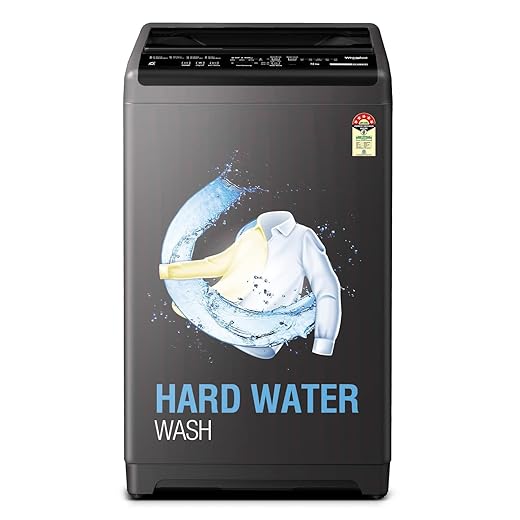
If you have borewell or hard municipal water, look for models with in-built water softening (e.g., IFB’s Aqua Energie or Bosch filters) or buy a pre-filter. Stainless-steel/anti-rust tubs resist corrosion in humid monsoon months and last longer.
Inverter motors, child locks & drum filters
Inverter motors are quieter, more efficient and better with variable loads — expect noticeable energy savings over basic motors. Child locks protect curious toddlers from opening lids; good drum filters (lint traps) prevent clogged drains and protect valves — especially important with heavy cotton saris.
Tub-clean cycles and hygiene
Auto tub-clean cycles prevent odour and mold during humid seasons. Run monthly or after heavy, oily batches.
Quick checklist — prioritize:
- Auto load sensing, inverter motor, tub-clean.
- Good spin RPM (≥1200) if you need fast drying.
- Hard-water protection and stainless tub for longevity.
These features directly reduce your water, time and energy spent on laundry while protecting fabrics in real Indian conditions.
Buying Smart and Maintaining Your Machine: Indian Market Tips and Checklist
Smart buying checklist (step-by-step)
Start local, then shop online. Visit 2–3 authorised dealers to check demos, then compare prices on Flipkart, Amazon and brand sites — festival sales can drop prices by 10–20%, but dealers may waive installation or give faster service. Before you buy:
- Confirm on-site installation cost and who supplies hoses/stand.
- Ask about standard warranty (motor vs. product) and paid extensions.
- Check service-center presence in your city on the brand website or Google Maps.
- Evaluate exchange and EMI offers; offline dealers often accept old-machine exchange and negotiate cash discounts.
- Say no to unnecessary add-ons: detergent bundles and extended fittings are useful; overpriced AMCs or unbranded stabilizers usually aren’t.

What to verify at delivery & installation
When the delivery team arrives, inspect and test immediately:
- Model and serial number match invoice; take photos.
- Hoses are new, clamps tight, and drain is positioned at recommended height.
- Machine is level, power socket is earthed and on a dedicated circuit.
- Run a quick rinse/drum-clean cycle to check for leaks, sound or error codes.
Simple maintenance plan (easy schedule)
A little routine prevents big repairs:
- Weekly: clean lint filter and wipe door gasket after wet loads.
- Monthly: run tub-clean at high temperature or an empty hot cycle with vinegar/washer cleaner.
- Quarterly (hard-water areas): clean or replace pre-filter and use water-softening cartridges or a domestic softener.
- Annually: inspect inlet hose, stabilizer (if used) and door seals; service motor bearings as recommended.
Service logging & documents to retain
Keep digital and physical copies of:
- Invoice, warranty card, installation slip and serial-number photos.
- Service request IDs, date/time and technician name; note faults and resolution.
- Store receipts for spare parts or paid repairs to track warranty claims.
With these buying and care habits you’ll avoid common hassles and keep your machine efficient — next, choose by size, then fine‑tune features in the Conclusion section.
Choose by Size, Then Fine-Tune for Features
You’re now equipped to prioritise capacity first: measure your weekly loads, consider family size and habits, and match the kg rating to real clothes per wash. Factor in balcony or kitchen space, water availability, and stabilised power for smooth operation in Indian homes.
Pick the machine type—top-load, front-load or semi-automatic—based on your routine, water use and fabric care. Prioritise features that save water, time and fabric life, and register for local service and spare parts support. With size leading your choice, you’ll confidently buy a washer that fits your family and life today.

 By
By










Short and sweet: the ‘Features That Matter for Indian Families’ section is gold.
Water-saving cycles + quick soak = perfect for heavy, stained kurta/chaddi combos 😂
Anyone tried the Whirlpool 7kg Magic Clean top-load? I’m tempted cause we need a machine that handles heavy stains but not bulk loads.
I had a Whirlpool top-load at my parents’ place — effective and fast, though front-loads win on lower water usage.
Whirlpool Magic Clean top-loads are good at stain handling and usually budget-friendly. If you mostly wash daily clothes with occasional heavy stains, a 7kg top-load can be a balanced choice.
This guide helped a lot — I’ve been wavering between a 7kg top-load and a 6kg front-load for our family of four.
I live in a 2BHK with a small balcony, so the “Measure and Fit” section was the real MVP.
Quick question: if I pick the IFB 6kg AI front-load, will I miss out on wash speed vs a 7kg Samsung top-load? My mom wants quick cycles in the morning 🙂
Also: anyone used Roktry anti-vibration pads on a balcony? worried about the noise transferring to neighbors.
Thanks for the clear size-first advice — finally made me stop looking at only fancy features and actually measure the space.
If space is tight and you mostly do daily clothes, 6kg is fine. But for bedsheets or occasional heavy loads, you’ll wish for 7–8kg. I compromise by doing frequent smaller loads.
I used Roktry pads on my terrace — huge difference. Reduced wobble and neighbors didn’t complain. Just make sure the machine sits level after you add pads.
Glad it helped, Aisha! IFB 6kg front-loads generally give better fabric care and use less water, but cycles can be slightly longer than a top-load. For morning rushes, look for a quick-wash option in the model specs. Roktry pads usually help with vibrations — measure the balcony slab and check padding thickness before buying.
Lol I didn’t know washers had personalities until this article 😂
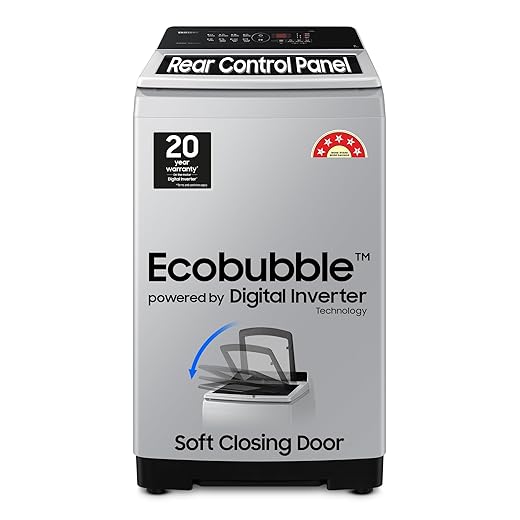
Bought Samsung 7kg EcoBubble top-load last year after reading similar tips — speedy, decent stain removal, and my electricity bill didn’t scream.
PS: Roktry pads = life-saver. Reduced that annoying thump during spin. Anyone else feel like their machine is doing a small earthquake before these pads?
Haha, machines with mood swings — true. EcoBubble tech is good for quick loads. Pads often help uneven floors a lot; glad they worked for you, Michael.
Yep, my machine used to sound like a tiny earthquake too. Added Roktry pads and it’s whisper-quiet now. Also check drum balancing during installation.
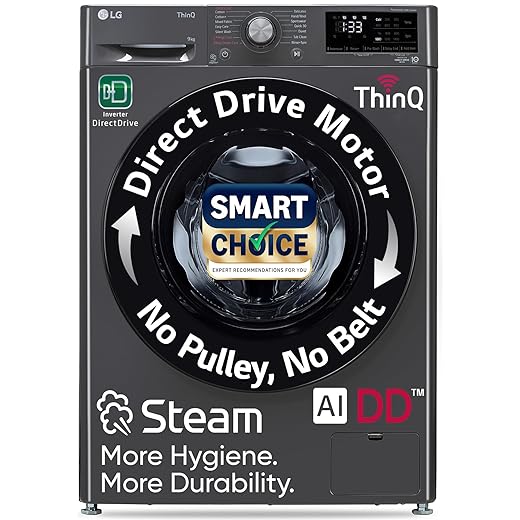
I want a mix of hygiene + capacity. The article mentions LG 9kg AI Front-Load Steam and Samsung 9kg AI Front-Load Hygiene — both sound great.
But two practical concerns:
1) With a 9kg front-load, do we always need special electrical wiring or higher power supply? My flat has a 5A socket on the balcony.
2) How’s maintenance — more tech = more headaches? I’m not very good at DIY.
Would VW 7.5kg Aqua Spin semi-automatic be a simpler, cheaper option for occasional big loads?
Thanks all — won’t risk the 5A socket then. Better to call an electrician first. Good point about gasket cleaning, will add to my chore list 😅
On wiring: get an electrician to check the socket. Many modern flats have a proper 15A line for washing machines; if not, better to upgrade than risk tripping circuits.
If you’re not into fiddling with tech and want reliability, semi-automatic is still a solid pick. But you lose the hands-off convenience of front-loaders.
Good questions. 9kg front-loads can draw more current (esp during spin) so check the appliance’s RATED CURRENT and ensure proper earthing and a dedicated circuit if needed. Installation manual will specify. Front-loads with AI/steam do need occasional service but routine cleaning (gasket, detergent drawer) keeps issues down. VW 7.5kg semi-auto is a fine low-tech choice for larger occasional loads and easier DIY fixes.
Nice checklist in the ‘Buying Smart and Maintaining Your Machine’ section — simple things like measuring door width and hose length are easily missed.
Couple of real-world tips: keep a small bucket for emergency manual rinses during water cuts; always test machine level after installation; and buy Roktry anti-vibration pads if your floor is tiled.
One constructive suggestion for the author: add a quick comparison table (size vs typical family type) — would make decision-making faster. Also, tiny typo in the “Match Capacity with Machine Type” heading? maybe just me lol.
Agree on the bucket tip — used it many times during a borewell outage. Also keep a spare inlet hose, they can crack unexpectedly.
Spare inlet hose is a pro move. Adding it to my shopping list along with Roktry pads 😅
Thanks, Priya — great practical tips. I’ll pass the suggestion for a quick comparison table to the editor. And thanks for spotting the typo, we’ll fix it.
I’m torn between buying Samsung 9kg AI front-load (dream big) and keeping it practical with Whirlpool 7kg.
Main concern: power and water usage. The article’s ‘Decoding Capacity’ helped, but does a 9kg always mean a lot more water? I’m in a place with water cuts.
Also, is the anti-vibration pad thing necessary for top-loaders too, or just front-loaders?
Also consider a model with good wash programs: ‘Eco’, ‘Quick’, and ‘Soak’ options let you adapt to water availability. Smart machines can be surprisingly flexible.
I have a top-loader and still used Roktry pads — cut down on wobble when loads are unbalanced. For water cuts, look for models with quick wash and half-load features.
9kg doesn’t always mean proportionally more water — many modern front-loaders are optimized to use less water per kg compared to older models. Check the water consumption per cycle in specs. Pads help both types but are more commonly used for front-loaders during high-speed spins; top-loaders can benefit if the floor is uneven.