Why Avvatar Whey Could Be Your Go‑to for Lean Muscle
Bold hook: Over 70% of Indian fitness seekers prefer locally sourced supplements — and Avvatar Whey is built for them. You want clean, effective protein that supports lean muscle without compromise. Avvatar, from Parag Milk Foods, uses a farm‑to‑shaker approach and a vegetarian dairy source, emphasising Indian purity.
In this article you’ll get five clear, evidence‑based reasons why Avvatar is an excellent choice for lean muscle gain: protein profile, testing and certifications (Trustified), taste, digestibility, value and buying guidance.
Read on for practical takeaways, buyer FAQs and a friendly expert view to help you pick the right whey for your goals. Expect simple tips, Indian context, and comparisons with other popular whey options today.


Reason 1 — Farm‑to‑Shaker Purity: High‑Quality Whey Sourced in India
Sourcing & who makes it
You want protein you can trust — not just in the lab but back at the farm. Avvatar Whey is produced by Parag Milk Foods, a major Indian dairy manufacturer, which means you’ll get whey made from Indian milk collected through organized farmer networks. This farm‑to‑shaker story matters because it shortens the supply chain: fresher milk, faster processing, and easier traceability if you ever need to follow a batch back to its source.
Why Indian purity standards matter
If you’re concerned about contaminants (pesticide residues, antibiotic traces or adulteration), buying whey made and processed in India gives you regulatory clarity: look for FSSAI approval and batch codes on the pack. In practical terms, shorter transit times and controlled processing reduce the chance of tampering — similar to how you prefer buying fresh curd from a trusted dairy rather than an unlabelled tin.
What to look for on the label (quick how‑to)
- Check for the manufacturer name: Parag Milk Foods should be visible.
- Find batch number, manufacturing/expiry dates and FSSAI license number.
- Look for “Packed in India” and any mention of collection centres or farm origin.
- Verify the vegetarian mark and wording like veg source or “vegetarian rennet” if that’s important for you.
Benefits of the farm‑to‑shaker approach:
- Traceability — you can track batches to collection centres and processing plants.
- Freshness — less time between milking and processing preserves protein quality.
- Fewer additives — controlled processing reduces need for bulking agents or stabilizers.
A simple real‑world tip
When you buy a tub, check the MRP and manufacture date. A long gap between manufacture and purchase could mean prolonged storage—ask the seller for recently stocked products. If you shop online, prefer sellers with fast delivery to keep that farm‑fresh advantage.
Next up: how Avvatar’s clean supply chain converts into a protein profile that’s optimized for lean muscle gain.
Reason 2 — Protein Profile Optimized for Lean Muscle Gain
Protein, amino acids and why they matter
Avvatar Whey is built around a whey isolate/concentrate blend that gives you a high protein‑per‑serving, fast‑absorbing source of amino acids — exactly what you want for lean muscle synthesis. Whey delivers all essential amino acids and a concentrated dose of BCAAs (especially leucine) that trigger muscle protein synthesis quickly after training. In practical terms, hitting the leucine “threshold” (~2.5 g) in a serving helps switch on growth signals — something whey does reliably.
Fast absorption for post‑workout recovery
Because the blend digests quickly, Avvatar is ideal for post‑workout use when your muscles are most receptive. The low sugar/fat variants minimise extra calories, so you get protein without filling up on carbs or fats — perfect when your goal is building muscle without adding bulk.
Quick nutritional comparison (typical per scoop)
- Protein per scoop: ~24–26 g
- Carbs per scoop: ~2–4 g
- Fats per scoop: ~1–2 g
- BCAA estimate: ~5–6 g (leucine ~2.4–2.8 g)
How to time and size servings (practical dosages)
- Rule of thumb: aim for 1.6–2.2 g protein/kg bodyweight daily. Use whey to cover 20–40% of that.
- Serving guide by bodyweight:
- 60 kg — 1 scoop (25 g protein) post‑workout and optional 1 scoop between meals.
- 75 kg — 1–1.5 scoops post‑workout + 1 scoop mid‑day.
- 90+ kg or intense trainers — 1.5–2 scoops post‑workout + 1 scoop between meals.
Pairing tips for results
- Breakfast: mix with oats and a banana for a balanced carb + protein start.
- Post‑workout: take post‑workout alone or with a small carb source (fruit) to refill glycogen.
- Cutting: have whey with water or skim milk and keep low carbs — avoid heavy breakfasts with biscuits or sugary cereals.
Simple sample schedules
- Beginner: 1 scoop after workouts + protein‑rich meals (3 full meals).
- Intermediate: 1–1.5 scoops post‑workout + 1 scoop mid‑afternoon on training days.
- Cutting phase: 1 scoop post‑workout; swap a snack/meal for a shake to hold muscle and lower calories.
These practical steps let you use Avvatar’s nutritional profile to support real, measurable lean‑gain progress.
Reason 3 — Certifications, Third‑Party Testing and Brand Transparency (Trustified)
Why this matters to you
When you’re investing in whey for lean muscle, safety and honesty matter as much as macros. Certifications and independent lab data reduce the guesswork: they tell you the product contains what the label promises and is free from contamination. Avvatar’s parentage — Parag Milk Foods — adds corporate accountability: a known dairy company is easier to hold to quality standards than an unknown startup.
What to look for on the pack
Look for clear markings and quality seals; note that exact certificates can vary by SKU.
- FSSAI license number and logo (mandatory for food products in India)
- ISO 22000 / ISO 9001, GMP or HACCP claims (manufacturing & food‑safety systems)
- Batch number, MFG/EXP dates and QR code for traceability
- “Third‑party tested” or a Certificate of Analysis (COA) link/QR
- Any export or clinical testing seals if present
What “Trustified” really means
When we say Trustified, we mean more than a sticker:
- Full ingredient list and precise macro breakdown per serving (no hidden fillers)
- Clear allergen statements (e.g., milk/ lactose info)
- Batch‑level testing: COAs that report protein %, moisture, fat, microbial counts and heavy metals
- Public statements about testing labs or accreditation (NABL‑accredited labs are a strong signal)
As a practical example: a reliable COA will show measured protein close to the label number, low microbial counts, and heavy metals below regulatory limits — that’s the data you want to see.
How you can verify — quick, actionable steps
- Check the FSSAI number on the pack at foodlicensing.fssai.gov.in to confirm the license.
- Scan QR codes or visit Avvatar/Parag Milk Foods’ site for batch COAs or test summaries.
- Ask customer care for a COA for your batch; reputable brands supply this on request.
- Verify labs: prefer reports from NABL‑accredited labs or recognised names (SRL, TUV, etc.).
- Read the lab summary for protein, moisture, microbial and heavy‑metal results — if you’re unsure, ask customer care to explain.
Being diligent now saves you guesswork later. Next up: how Avvatar balances these trust elements with everyday experience — taste, mixability and digestibility for daily use.
Reason 4 — Taste, Mixability and Digestibility Designed for Daily Use
You can have the best macros on paper, but if your whey tastes bad, clumps, or gives you a stomachache, you won’t use it every day. Avvatar is built around everyday usability: flavours that suit the Indian palate, a farm‑to‑shaker milk base that often improves mouthfeel, and clear guidance to help you digest it comfortably.
Taste: Indian palate and easy recipe ideas
Flavour matters when you’re drinking a shake several times a week. Avvatar offers crowd‑pleasing options — think classic chocolate, creamy vanilla, and regionally friendly choices like dobhar chai (a milky tea‑style flavour many Indians enjoy). Quick, low‑calorie recipe ideas you can try right away:
- Water‑based post‑workout shake: 1 scoop + 250 ml water + ice.
- Dobhar chai smoothie: 1 scoop dobhar chai + 150 ml almond milk + ½ banana + ice.
- Low‑cal protein dosa batter boost: fold 1 scoop vanilla into dosa batter for extra protein.

Mixability: farm‑to‑shaker mouthfeel and tips
Because Avvatar’s whey comes from a farm‑to‑shaker milk base, you’ll notice a naturally smoother mouthfeel compared with cheap fillers. For best mixability:
- Add liquid first, then powder.
- Use a blender or a quality shaker with a mixing ball.
- For hot drinks, dissolve in a little warm water before adding milk to avoid clumps.
Digestibility: lactose, blends and adapting servings
Different blend types affect how you feel after a shake. WPC has more lactose and milk fat; WPI is purer and easier on those sensitive to lactose. Check the label for added enzymes — protease or lactase — which can improve digestive comfort. If you’re sensitive:
- Start with half a scoop and build up.
- Use water, soy, almond or oat milk instead of full‑fat dairy.
- Consider a lactose‑free isolate or a lactase tablet.
Quick troubleshooting & daily do’s and don’ts
- Do start with a small serving to test tolerance.
- Do add a digestive enzyme or probiotic if you have mild bloating.
- Do use warm water for instant mixing when you need a hot shake.
- Don’t dump powder on top of liquid (it clumps).
- Don’t exceed recommended servings to chase gains — split doses if needed.
These practical tweaks keep your daily routine smooth and enjoyable. Next, we’ll weigh how these user‑friendly features translate into value, availability and the brand reputation you care about.
Reason 5 — Value, Availability, Reputation and FAQs to Help You Choose
Price, pack sizes & common offers
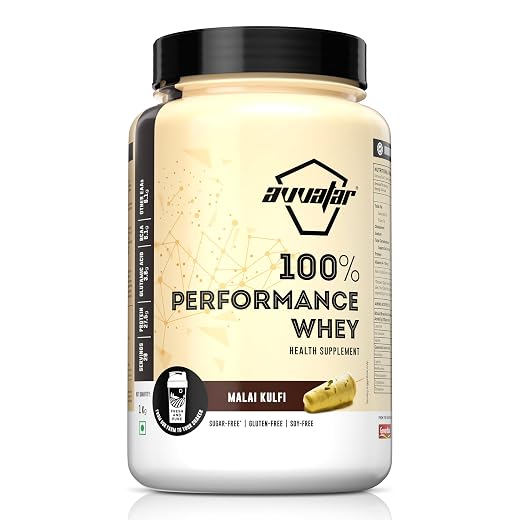
For most Indian buyers, value is price per usable protein gram, not just sticker price. Avvatar is typically sold in 500 g and 1 kg tubs; occasional larger economy packs appear during festive sales. Expect approximate ranges (vary by flavour and sale): around ₹1.5–₹3 per gram of protein when calculated on labelled protein content — a useful metric when comparing brands. Look for:
- subscription discounts on brand sites (5–15%),
- seasonal retailer deals on Amazon/Flipkart,
- cashback and bank‑offer combos through e‑commerce.
Availability & how to judge market leadership
You’ll find Avvatar across major Indian e‑commerce platforms, the brand’s online store, and selective brick‑and‑mortar supplement shops and gym pro‑shops. To assess whether a brand is genuinely a top choice, check:
- verified customer reviews and reviewer distribution (not just star count),
- sales rank on marketplaces,
- presence in local gyms and trainer recommendations.
These signals together are more reliable than a single “No.1” badge.
Reputation checklist
When you evaluate Avvatar, scan for:
- user reviews that mention taste, mixability and results,
- athlete or coach endorsements you can verify (look for social posts or gym mentions),
- active customer support and clear label information (batch codes, manufacturing date).
Quick value tips — decide fast:
- Compare price per gram of protein before you buy.
- Choose 500 g to test a flavour; upgrade to 1 kg if you like it.
- Buy during festival sales or use subscription for steady savings.
- Verify batch lab reports or Trustified/third‑party claims on the product page.
FAQ — common Indian buyer questions
Is Avvatar good?
Yes, if you want a farm‑to‑shaker, India‑sourced whey that balances taste and everyday usability — validate with recent reviews and your digestion response.
Is it the No.1 whey in India?
No single metric proves that; instead judge by sales rank, sustained positive reviews, and gym presence in your city.
Who owns Avvatar?
Avvatar is marketed under the Parag Milk Foods nutrition portfolio — check the product label or brand site for the latest corporate details.
What certifications does it have?
Look for FSSAI on the pack plus any third‑party lab or Trustified testing disclosures on the product page; check the label for batch test reports.
Is it vegetarian?
Yes — whey is milk‑derived and considered vegetarian (not vegan).
How to choose the right variant?
Pick WPI/isolate if you’re lactose‑sensitive or want lower carbs; choose WPC/performance blends for cost‑efficiency and slightly fuller mouthfeel.
With these practical checks you can quickly decide whether Avvatar fits your budget, access and trust needs before moving to the final verdict.
Putting It Together: Is Avvatar the Right Whey for Your Lean‑Gain Journey?
Avvatar checks the boxes for Indian purity and farm‑to‑shaker sourcing by Parag Milk Foods, a trusted owner producing a vegetarian‑sourced whey. Its protein profile, Trustified third‑party testing, great taste/mixability and daily digestibility make it a solid choice for lean muscle gain in India.
Next steps: check the label for Parag Milk Foods sourcing, look for Trustified/third‑party details, choose the variant that matches your macros, and try a 2–4 week trial while tracking strength and body composition. Ask questions or see the FAQ above for quick clarifications.
Loved the breakdown — especially the ‘Farm-to-Shaker Purity’ bit. Makes sense to buy Indian‑sourced whey if quality is good.
Tried the avvatar Performance Whey Malai Kulfi flavor last month and I was surprised — not cloying, actually pretty smooth. Mixes well with water and milk.
Also appreciate the Trustified section — third‑party testing gives me more confidence than flashy marketing alone.
Good point, Noah — the article mentions digestibility and a whey isolate option. Some users reported less bloating with the isolate blend versus concentrate; always start with a small scoop to test.
Thanks Laura — glad you liked the Malai Kulfi! We tried to cover the testing labs and what the Trustified badge means. If you want, I can post the specific cert names and what tests they run (e.g., microbial, protein content, heavy metals).
Nice — I was skeptical about Indian flavors but the Malai Kulfi and Chocolate Hazelnut both sound tempting. Any issues with bloating? I’m lactose sensitive. 👀
Been mixing protein with milk & coffee — anyone tried avvatar with coffee? Does it curdle? Also, NAKPRO’s creatine combo seems tempting if you’re doing strength work. Does avvatar have a bundle with creatine?
Thanks! I’ll try it cold first. ☕️🏋️
I add instant coffee to my shaker with a scoop of whey — no curdling if you shake immediately. Hot coffee can cause clumping, so let it cool a bit.
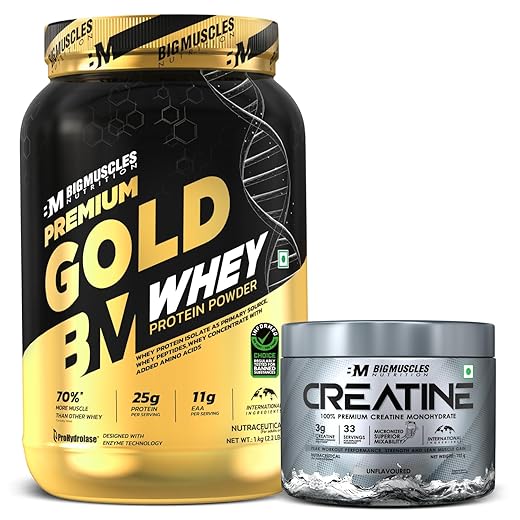
Mixing with coffee usually works fine if the powder is high-quality and mixes well. No official avvatar+creatine combo in the product list you shared — NAKPRO and Bigmuscles have combo packs. You could add creatine monohydrate separately though.
Malai Kulfi flavor? That’s bold. 😂
I can already imagine mixing it and pretending I’m at an Indian sweet shop. Jokes aside, if the taste and mixability are on point, I’m willing to try. The farm-to-shaker idea sounds legit too.
Also curious if the Performance Whey has the same macros as the Alpha Whey or if one is more isolate-heavy.
Good question — generally Performance Whey might be more performance-focused (higher protein per serving, maybe some isolates), while Alpha Whey could be a balanced formula. The article suggests checking the label for isolate vs concentrate ratios.
Thanks — if you add that, I’ll actually stop procrastinating and buy a tub lol.
Daniel — the Alpha tends to be the regular whey concentrate blend, Performance Whey often leans towards isolate. But always check the Amazon listing for exact macros.
Tried the Malai Kulfi sample — surprisingly not sweet overload. Blends well in a shaker with ice. 10/10 would recommend for novelty + daily use.
I’ll add a note to the article to compare each SKU’s macros (Alpha vs Performance) so readers can pick based on protein per scoop.
I appreciated the ‘Putting It Together’ section — practical and not just promo speak.
A few points from my experience:
– Local sourcing is great for traceability, but it’s only useful if their supply chain is consistent.
– FAQs helped me decide between the Alpha Whey Chocolate Hazelnut and Performance Whey Malai Kulfi (yep, tried both). The malai kulfi is a treat but Alpha was better for daily lean-gain because of lower carbs.
– Availability: I liked that the article mentioned Amazon listings — I bought during a Prime day discount.
Overall, solid read, but would like more long-term user reviews and a clear compare-table vs ON/Bigmuscles/NAKPRO.
If your goal is lean gain, check carbs and serving size. I prefer isolate blends on cut days.
We’ll add a small ‘how to compare’ block to make label comparisons easier (protein %, carbs, serving size, price per 100g).
Agree about availability — saw Alpha Whey on Amazon and it shipped fast. Price fluctuations are real though, watch for sales.
Great input Anita — long-term user data would be valuable. We can solicit follow-up reviews from readers and update the post with a comparison table.
I like the article but skeptical of marketing words like ‘optimized for lean muscle’. What tests prove the protein profile is actually superior? Without published COAs and peer-reviewed data it’s just claims.
Also, mention of Trustified is nice, but is that an independent lab or a brand-managed badge? Need more proof before switching from my ON tub.
Valid skepticism. Trustified in the article refers to third-party testing claims — not all badges are equal. I’ll reach out to clarify which labs were used and whether COAs are available publicly. Until then, compare amino acid profiles and proteins-per-100g on the label.
This is why I ask for COAs — brands can claim anything in marketing. Show me lab reports and I’m more likely to switch.
Good read. I’m curious about the Trustified/third‑party testing claims — does the brand publish lab certificates or batch-wise COAs? The article claims transparency but I couldn’t find direct links.
If they don’t put COAs on the site, that would be a red flag to me.
Anyone know where to find their testing docs?
Nice catch, Sophia. The article points to the brand’s transparency section, but not all brands post COAs openly. I can email the brand for a sample COA link and update the article. For now, check the product’s Amazon Q&A or seller page — sometimes sellers attach COAs there.
Agree — transparency means COAs. If they don’t show batch testing for heavy metals/microbiologicals, I’m skeptical.
Thanks — would appreciate the update. Posting COAs publicly should be standard imo.
Quick note — I bought the avvatar Alpha Whey Chocolate Hazelnut 1Kg last month. Taste is solid, mixes well in a shaker, and delivery from Amazon was fast. Noticed a slight difference vs ON but for the price I think it’s a good option.
Thanks for sharing your experience, Oliver — always helpful to have real user feedback.
Appreciate the heads up. Which one did you prefer for daily use: Alpha or Performance?
Interesting article but how does Avvatar stack vs ON Gold Standard or NAKPRO Impact with Creatine? I mean ON has decades of reviews, NAKPRO bundles creatine, and Bigmuscles often runs discounts.
Is the value here just ‘made in India’ or is there a real performance edge?
Also worth checking serving macros (protein per scoop, carbs, fat) and how many scoops per day to hit your protein target. That often determines real value.
I switched from ON to a locally-sourced brand and saved money with similar results. Not a huge performance jump, but the price/performance ratio was better for me.
Fair question — the piece tries to separate factors: protein quality (amino acid profile), certifications, and value. ON is a proven global brand, NAKPRO and Bigmuscles often include creatine which is great for strength gains. Avvatar’s edge in the article is transparency + local sourcing and some isolate options for lean gain.
NAKPRO combo is good if you want creatine pre-mixed. But if you’re focusing on lean muscle and lower carbs, avvatar’s isolate might be better IMO.
Wow, the mixability + digestibility section sold me. I’ve tried so many powders that clump or give me gas — total mood killer.
I order a lot online and the avvatar Alpha Whey Chocolate Hazelnut 1Kg sounds like it could be my new daily. The article made a good point about flavor being key for adherence.
Anyone else here use the Alpha Whey daily?
I use Alpha Whey daily with oats and it’s been great — no clumps, tastes like dessert. 🙂
Thanks Priya — happy to hear the article helped. A few community members reported daily use without GI issues, especially with the Alpha Whey chocolate hazelnut. Start with half scoop if you’re worried about digestibility.
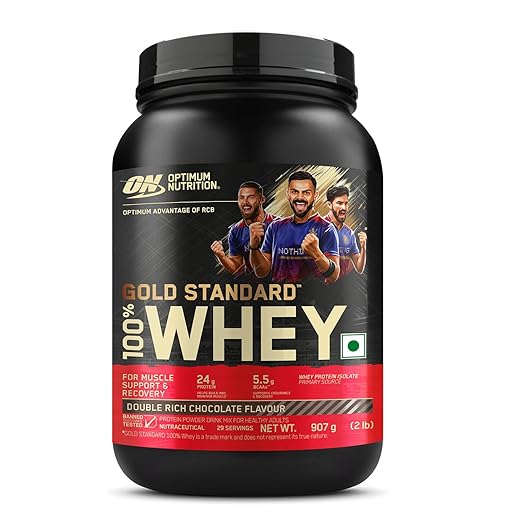
How many grams protein per scoop vs ON Gold Standard? Is the Bigmuscles Isolate Blend actually isolate or just marketing?
Scoops vary: ON Gold Standard is typically ~24g protein per scoop; Bigmuscles isolate blend claims higher protein per serving but check the label. Avvatar’s Performance Whey often lists protein per scoop in the 20–25g range depending on flavor — always compare by weight (g) not scoop.
Bigmuscles has decent numbers when on sale. Isolate blends usually mean a greater % of isolate but some brands mix concentrate with isolate for cost reasons.